
Art Journey Part 2
Three things that made me a 'talented' artist.

If at First you Don’t Succeed
What I love about art is the exploration. The adventure. And I, being self-taught, get to decide the path that journey takes. I can explore what interests me, question how it’s going, and when things don’t turn out the way I wish, hunt for a way to make it work better.
I didn’t become good at art overnight. I never had anything I created that made anyone say I was talented. Until I tried to draw an eye, and was downright determined to figure out the art. And after that, after I had some tools in hand and an understanding of the process, that’s when all of a sudden people were telling me I was ‘talented.’ Y’all, I’m over 40. I wasn’t born with this. And you can get ‘talented’ at things too.
I tried to draw a realistic eye. I wanted to capture the variety of colors and textures you see in an eye, how there’s an infinite world to discover behind the curtain of lashes.
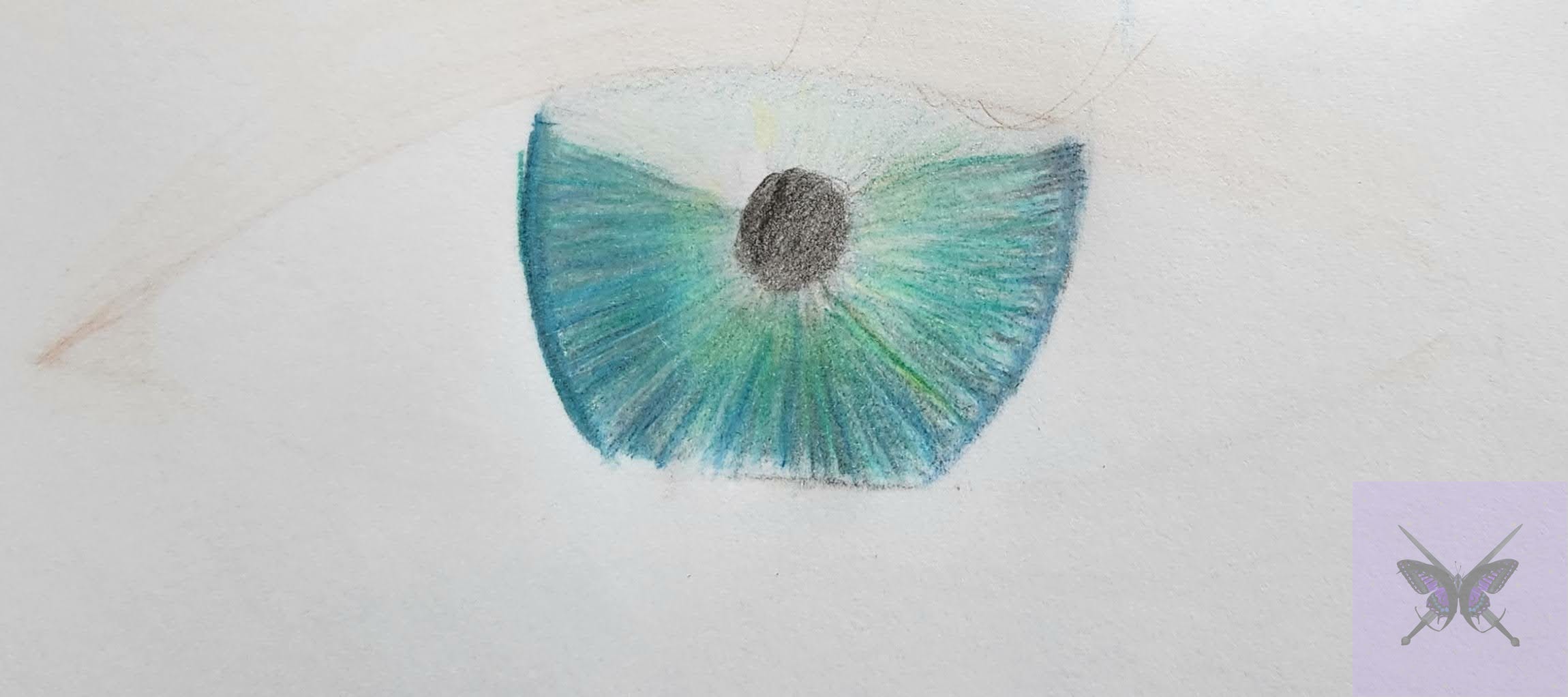
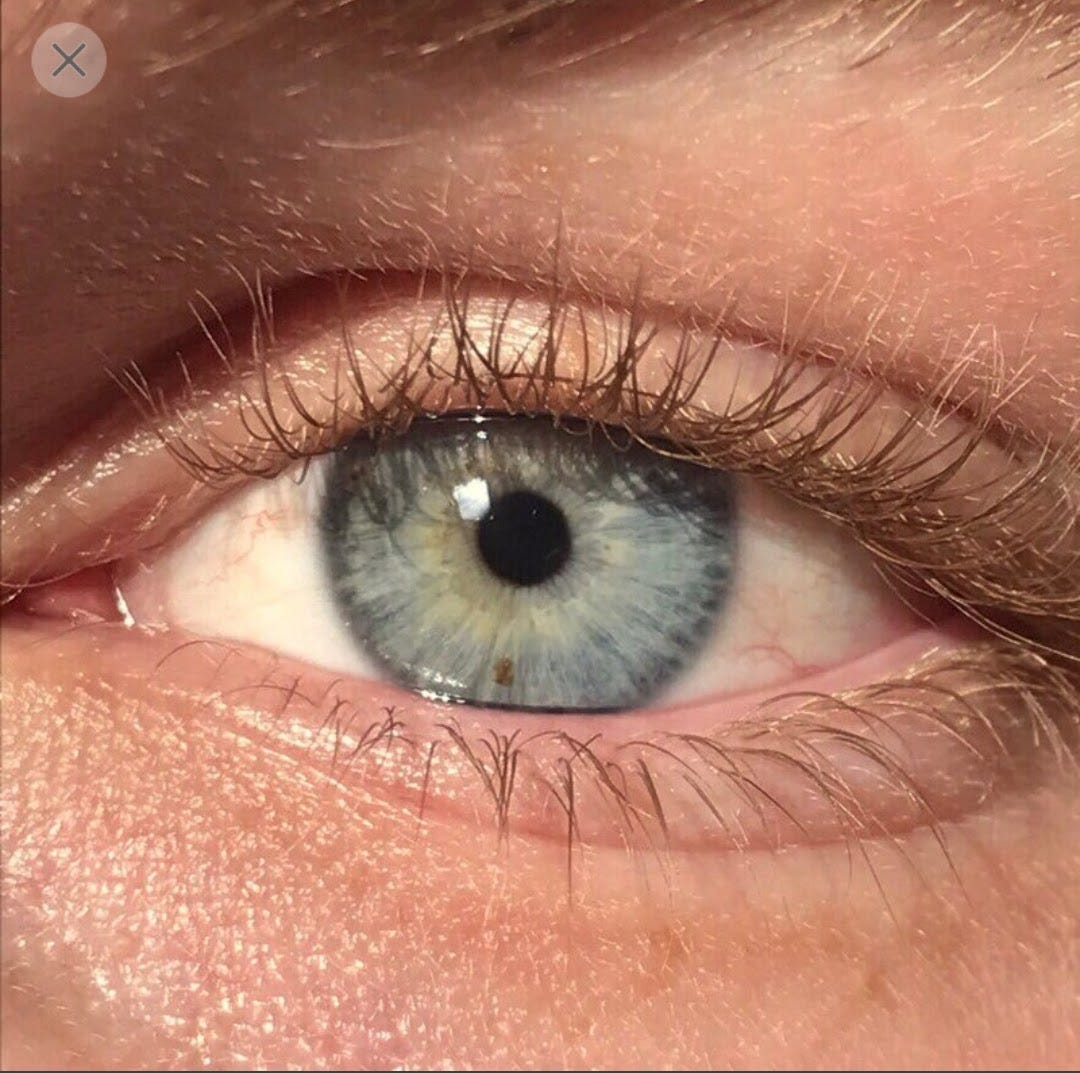
When the result didn’t match the reference photo (it totally doesn’t, so you know I’m not bs-ing you when I say this is a new achievement for me), I watched videos that talked me through tips and techniques to better capture an eye realistically. I also recognized a few things about the practice. Today’s post is all about what I noticed along the way. To improve at art, I needed three things:
Patience, attention to detail, and grace.
Patience
Patience with yourself and your work is essential in many fields. Whenever we take on something new, it takes time to figure out how to “get it right.” Our society projects a perception of “Fast perfection.” There is an expectation that you have to do something right the first time, and that if you can’t you’re not talented and shouldn’t even try. These are lies. If you encounter this kind of self-talk, tell it to stuff it.
Learning is ALL ABOUT practice and making mistakes. No one gets anything right the first time, though we throw the word ‘Talented’ around whenever we see someone doing something we aren’t good at. Babies fall bunches when learning to walk, yet most of us are now super practiced at the art of walking. We don’t even think about it. No one calls anyone else talented because they learned how to balance and coordinate their bodies to put one foot in front of the other.
Learning a new skill isn’t about talent. It’s about mindset and patience. It’s about looking at the mistakes you make when you’re learning and getting curious. In the case of my art, when I started my awesome eye study, I drew a not-so-realistic eye. I examined that eye.
Here’s what I didn’t do. I didn’t tell myself, “Well, that doesn’t look realistic. I’m terrible at this. I’ll never be good at art.”
Nope!
I’ve learned quite a bit about Growth Mindset in my years as a teacher. Having a Growth Mindset means that you believe you can get better. For starters, add one word to your vocabulary, “yet.” So to back up. The mental talk I didn’t have might go more like this, “Well, that doesn’t look realistic, yet. I’m not good at this yet.” One simple change helps set you on a path toward improving.
So what did I tell myself?
I’m a teacher with a science background. I asked a question :D
Well, that doesn’t look as realistic as I want it to. What do I need to do to make it more realistic?
Nothing in there about giving up. I’m grateful I was raised with an expectation that I could do anything I put my mind to, within reason. No one squashed my dreams, no one told me that I’m not good enough (at least the important people in my life didn’t), no one told me I should just quit. If anyone talks to you like that, don’t believe them.
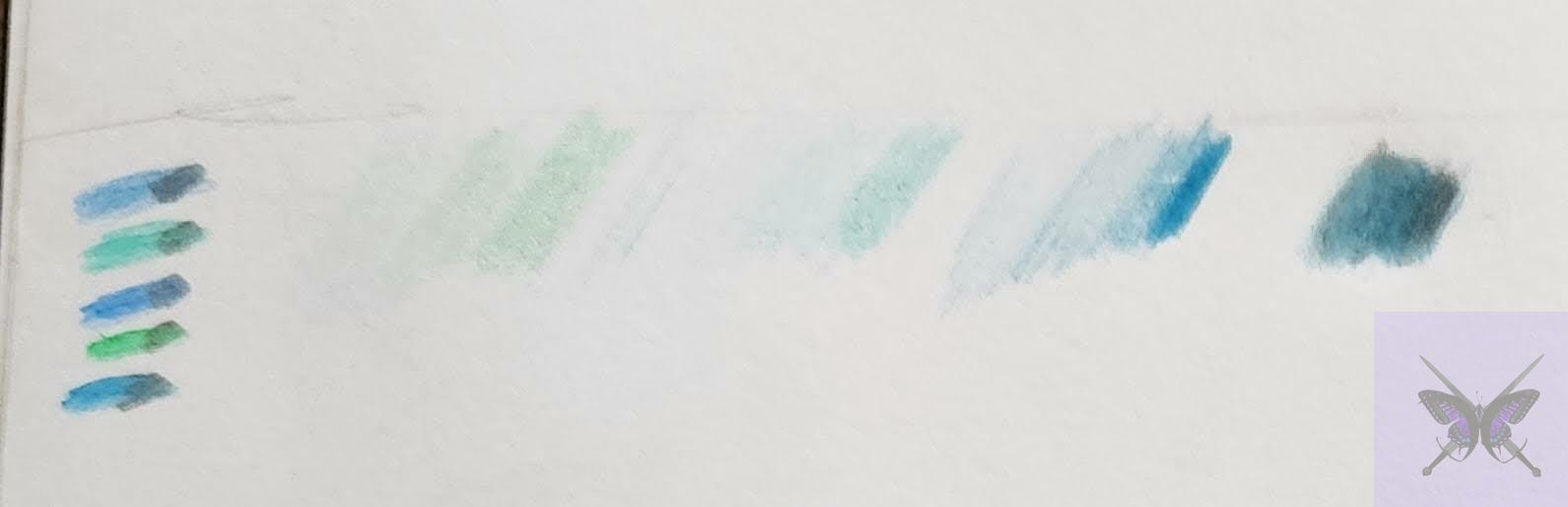
I turned to YouTube. I found an amazing artist that shared tips and tricks on how to make colored pencil drawings more realistic. I watched her video. I followed along with her tutorial. And even though I was using a different reference photo than the one she used in her video, I applied the principles and techniques to my own sketchbook. (Okay, I also bought a few extra materials, because tools make a big difference, too.)
Attention to Detail
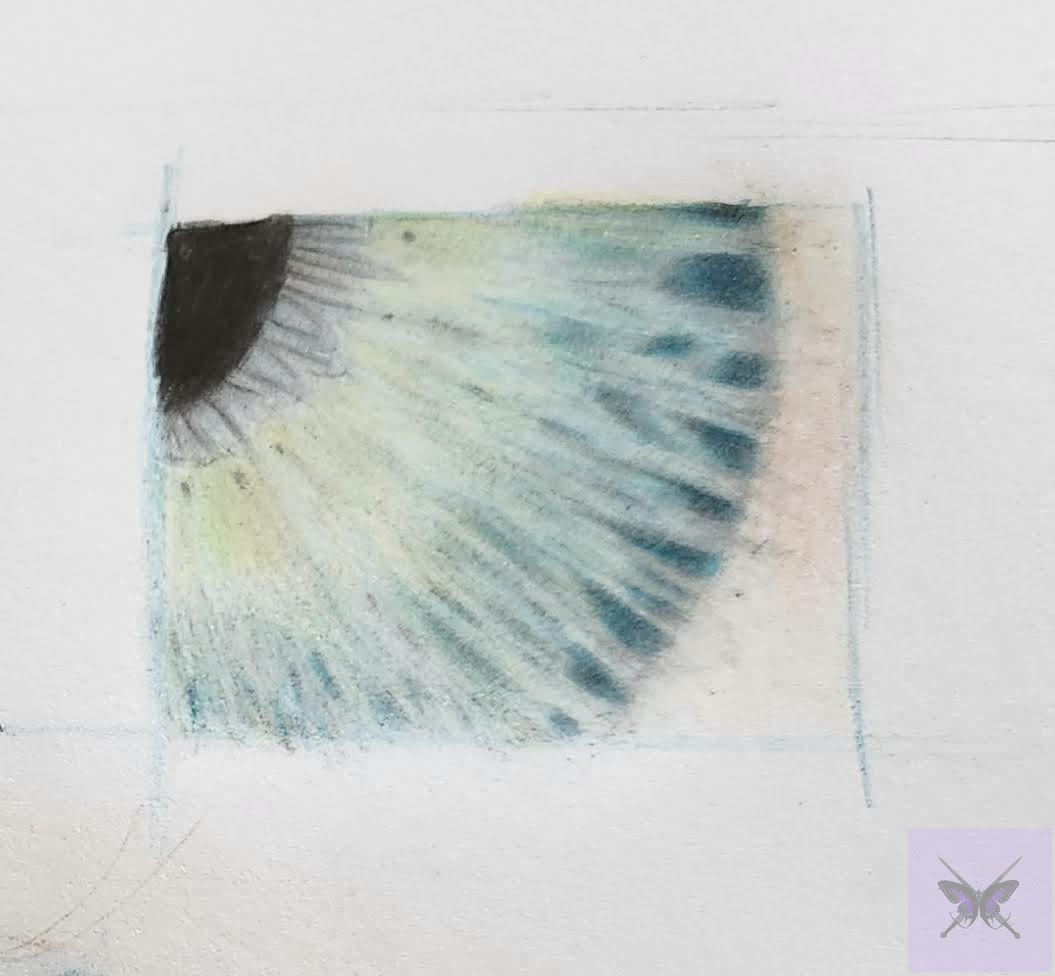
One of the things I failed to do when I made my first attempt at the realistic eye, was to pay attention to the places that were really light in color. I mixed different colors, sure, but I didn’t leave space for the lighter values. So, when I finished my first eye drawing, it didn’t have the lighter spaces that gave the eye variety and contrast. When I started my little quarter sketch of an eye, I left spaces for the lighter parts of the eye. I used a lot of white and very light strokes of color to give them detail. I slowed myself down. I took my time.
It reminded me of learning to crochet with my grandmother when I was ten. I would learn the stitches and practice the stitches, but crochet is also about tension, too. And then there’s the skill of finding your first and last stitches when you finish a row. My grandmother had a very critical eye, and she would make me rip out my work if I had made a mistake. And then I would have to start all over again.
I cherished those lessons for so many reasons, but it wasn’t until I after I was a teacher and after I learned about growth mindset and after I started learning new skills of my own, that I actually had the thought that those days of trying again and again and again laid a foundation for me to accept learning by practice.
Slowing down and paying attention to the details is what helped me create a better drawing. After my quarter eye attempt, I felt ready to take on an entire eye.
Grace
Grace to me, in this scenario, means I accepted that the process of making something look realistic takes time and mistakes. Learning something new takes time. I’m not going to get it in one try or overnight or accomplish things on a timetable I set. The eye drawing that had me astonished at what I could do? That took somewhere close to ten hours to complete. And I guarantee you that I erased a bunch along the way. I had to work slowly and methodically, I had to keep looking back and forth between my work and my reference photo, and my tutorial. I couldn’t rush myself or I would get something that didn’t look right. I just had to breathe in, breathe out, and give myself the grace to take my time to learn.
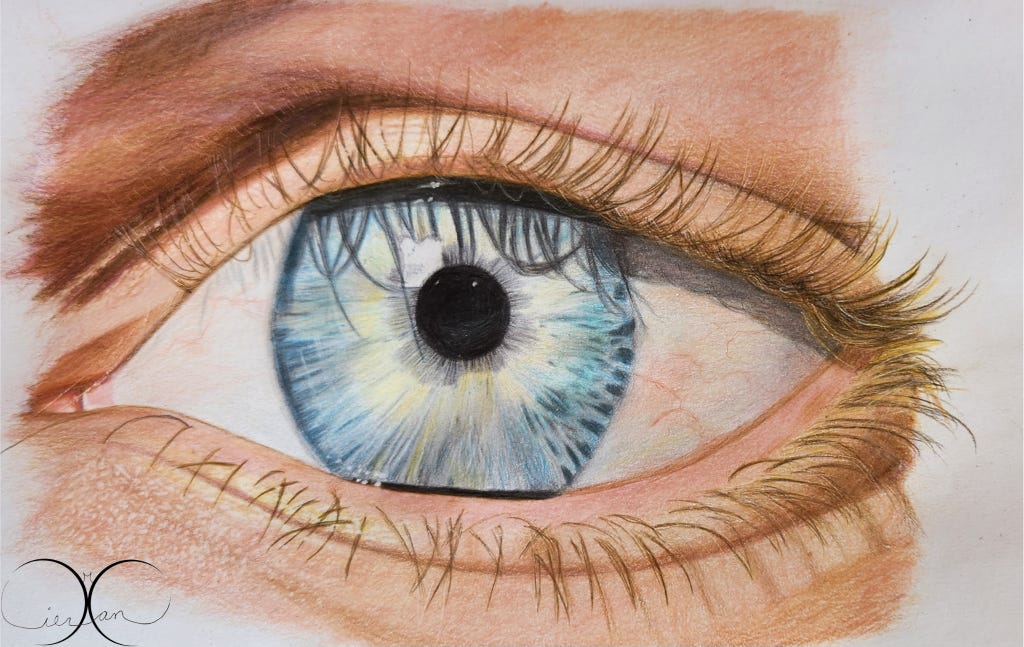
Turns out I needed to apply this advice in my writing journey, too. 😂
Stay tuned for more adventures!
"Grace to me, in this scenario, means I accepted that the process of making something look realistic takes time and mistakes. Learning something new takes time. I’m not going to get it in one try or overnight or accomplish things on a timetable I set."
RAW. VULNERABLE. REAL.
Thank. You.
Very few artists share their "behind the piece" thinking and I appreciate you doing that with this endeavor. Keep working on subject matter that interest you are, heck, do it ALL!
This is great! Another art-related thing I've been thinking of recently is the cultivation of taste. It's one of the scariest parts to me - you might do something on purpose and in alignment with your taste and then you just need to let people react to it. What if your taste is bad? Or you lose faith in it? Scary, but exciting!!
Great eye drawing, I love when artists show their progression instead of just finished products.